Swiss German Versus German
If you're moving to Switzerland, you may be wondering what the difference is between Swiss German and the German spoken in Germany. The short answer is that 'Swiss German' refers to a group of regional dialects spoken in German-speaking Switzerland, while 'Swiss Standard German' is the standardized variety used in writing, education, and formal communication. Swiss German can also vary significantly between regions, so the dialect you hear in Zurich may sound different from the one spoken in Bern or Basel.
The difference between Swiss German and German can be heard in pronunciation, vocabulary, and some aspects of grammar. However, you don't need to learn Swiss German before you can communicate in Switzerland.
For most expats, learning Swiss Standard German first provides the strongest foundation, particularly for work, official communication, and exams. Once you have that foundation, learning to understand the local Swiss German dialect can make everyday conversations with locals much easier. In this article, we'll look at the key differences and explain which type of German you should learn in Switzerland.
Is Swiss German an Official Language?
The answer is 'no.' Swiss German is not an official language, as the term refers to the various dialects spoken in the German-speaking part of Switzerland.
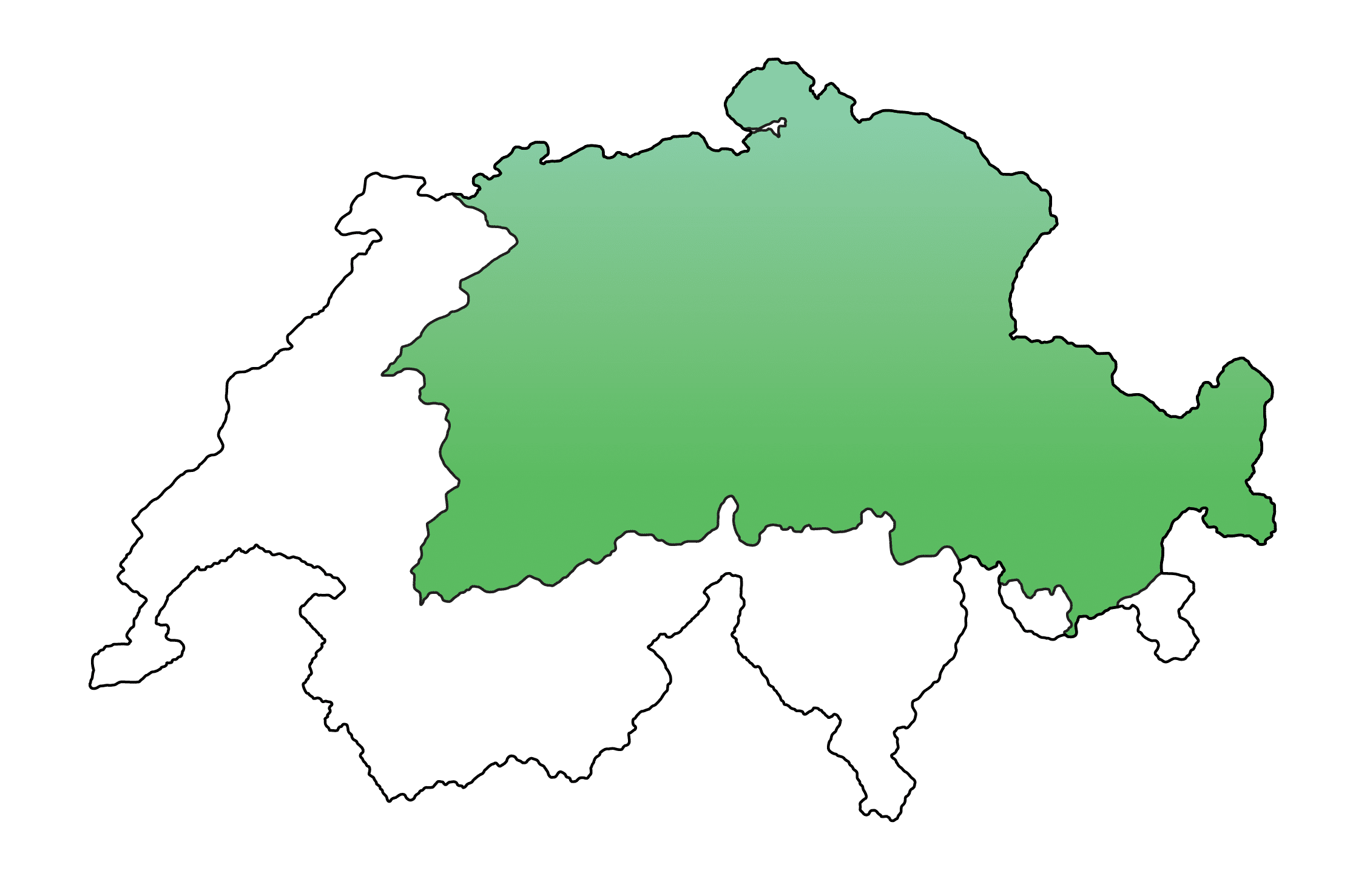
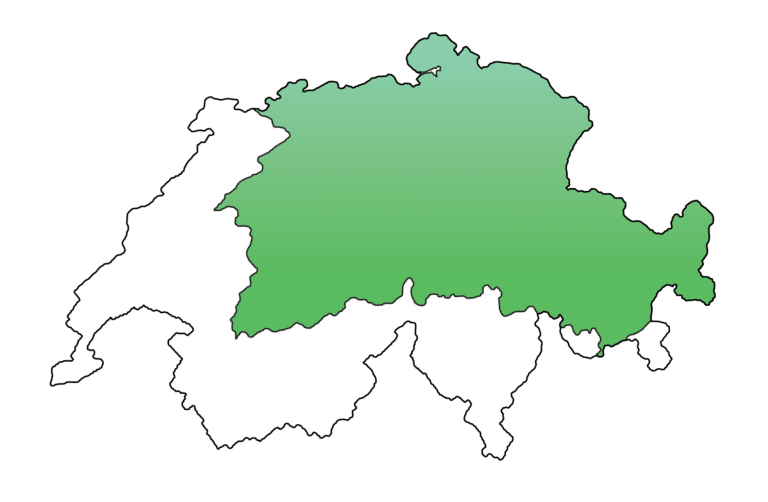
In the following map of Switzerland, the German-speaking part of Switzerland is highlighted in green.
Is Swiss High German or Swiss Standard German Official Languages?
Swiss Standard German, in turn, is the official written language in the German-speaking part of Switzerland. It's an official language because it follows certain grammatical and linguistic rules that are clearly defined. It's taught in schools and used in books, laws, regulations, and newspapers.
What's the Difference Between the Two?
Swiss Standard German is very similar to the Standard German spoken in Germany. However, there are a few differences. One of the most important is that the German letter 'ß' is replaced by 'ss' in Switzerland.
For example:
- Germany: street = Straße
- Switzerland: street = Strasse
There are also some differences in vocabulary.
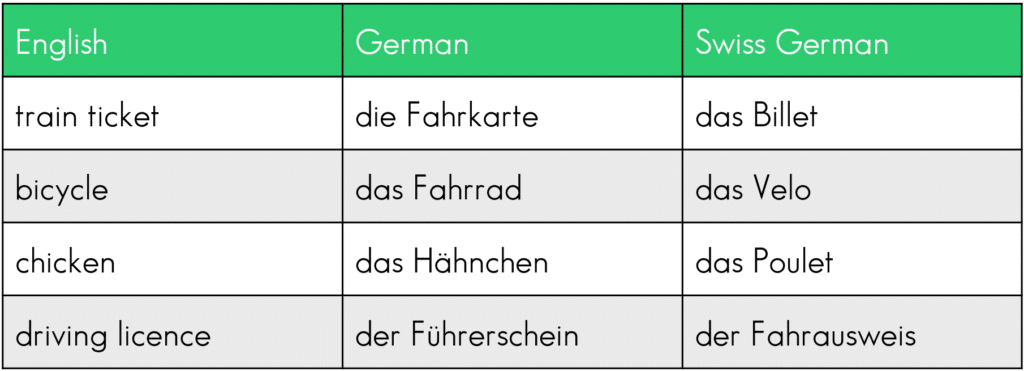
telc Test, Goethe Exam, and Residence Permit: Which German Is Required?
If you're taking the telc test or Goethe exam in Switzerland, your exam will take place in Swiss Standard German. As stated above, it's one of Switzerland's official languages and is very similar to Standard German.
Should You Learn Swiss German, Anyway?
You do not need to speak the local dialect to communicate in the German-speaking part of Switzerland. However, most locals do speak it, so it's definitely beneficial to be able to understand Swiss German.
After all, language is much more than just a means of communication. Language is culture. If you learn or speak Swiss German, you'll automatically be able to connect better with the Swiss.
Having said that, we definitely recommend learning Swiss Standard German first. It's much easier to first learn a language with clear rules to rely on and then take it from there!
Which German Should You Learn in Switzerland?
Swiss German and Standard German serve different purposes in everyday life, but you don't need to master a Swiss German dialect to live and work in German-speaking Switzerland. For most expats, learning Swiss Standard German first provides a strong foundation for communication, official requirements, and further language learning.
German Academy Zurich combines personalized one-on-one lessons with an AI-powered learning platform to help you build your German skills around your schedule and goals!
*This article was selected for inclusion in the Swiss German Learning Guide of the educational research Publisher Twinkl.
Thank you for reading my article!
Check out our German course and start learning German today!
Hear you soon,
Anna
Start learning German today!
Reach your next German level and speak German confidently with our innovative German courses.
Trusted by Learners
Join thousands mastering German with us
As a parent, the promise of learn-anytime mattered. I did a lesson during nap time, booked a private session for after bedtime, and asked the AI assistant quick questions in between. My teacher corrected my pronunciation gently, and the final in-house exam mirrored telc, so there were no surprises when I sat the official test.
The online German A2 course was fantastic, particularly the personal speaking lessons and interactive exercises. The flexibility of the course allowed me to learn at my own pace while working my full-time job, significantly boosting my confidence and fluency in German.
I needed to reach German A2 proficiency to apply for my C residence permit. Thanks to the exceptional support of my teacher and the flexibility of the course, which allowed me to learn from the comfort of my home, I made rapid progress. The entire experience was both convenient and highly effective.

The German Academy transformed my career. Within 6 months, I was confidently presenting in German to our Munich office. The teachers are exceptional!
I needed an enrollment letter for my permit and got it within 24 hours, that took the stress out of the admin. The course is 100% online, so I studied on business trips and then met my teacher on Google Meet to polish speaking. The one-time price (no monthly drip) plus a money-back window made it an easy yes.
I was nervous about starting from zero, but the mix of short video lessons, lots of bite-size exercises, and one-to-one coaching meant I was speaking in our building’s lift by week two. I could book lessons after work and lean on the 24/7 AI tutor whenever grammar tripped me up. The progress bar kept me moving, and taking the final telc-style mock made the real exam feel familiar.
Inquire about your German course today
Please fill out our non-binding inquiry form. We will contact you within 24h with all the information about the language course that suits your need.
- Your inquiry does not imply any commitment to attend a course.
- Our Student Success Manager Saskia will contact you within 24 working hours.
- We will answer all your questions regarding language levels, our teaching methodology and details about our German private lessons.